Physical Address
304 North Cardinal St.
Dorchester Center, MA 02124
Physical Address
304 North Cardinal St.
Dorchester Center, MA 02124
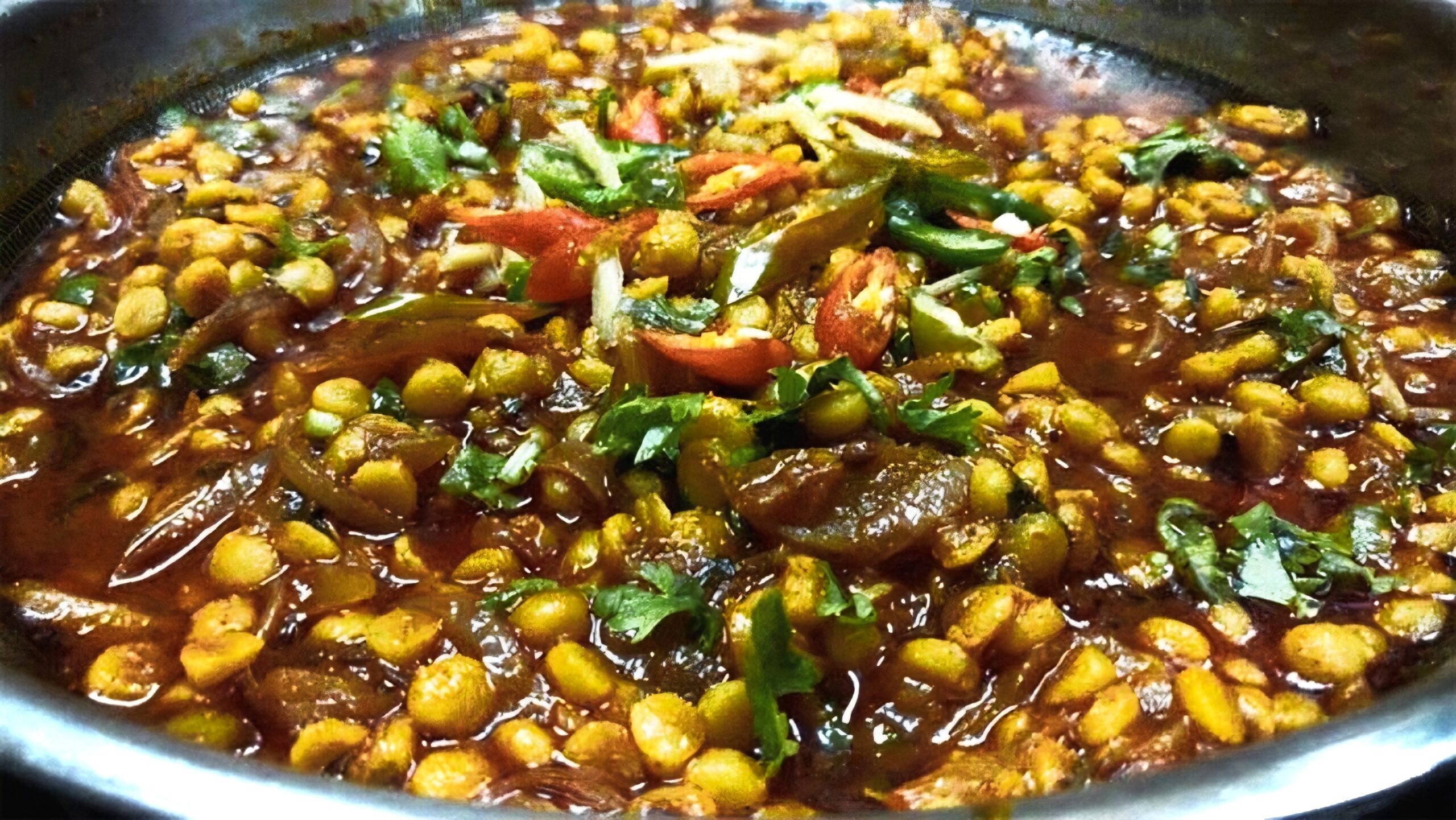
Traditional Dal & Sabzi Collection Indian cuisine is deeply rooted in tradition, simplicity, and nutrition. Among the countless dishes that define Indian food culture, dal (lentils) and sabzi (vegetable preparations) hold a special place in everyday meals. A Traditional Dal & Sabzi Collection is not just about recipes—it represents comfort, balance, and the essence of home-cooked food across regions of India.
Dal provides protein, while sabzi adds fiber, vitamins, and flavor. Together, they create a wholesome and satisfying meal that is both economical and healthy. From North India’s rich dals to South India’s tangy preparations and simple vegetable stir-fries, this combination is a staple in almost every household.
In this article, we will explore a curated collection of traditional dal and sabzi recipes, cooking techniques, regional variations, and tips to make your meals flavorful and nutritious.
A well-balanced Indian meal often includes dal, sabzi, roti or rice, and sometimes curd or pickle. This balance is not accidental—it is based on nutritional wisdom passed down through generations.
Nutritional Benefits
Cultural Importance
Dal and sabzi recipes differ from state to state, reflecting local ingredients, climate, and traditions. For example:
Toor dal is one of the most commonly consumed lentils in India. It is slightly thick, mildly sweet, and often cooked with turmeric, salt, and tomatoes.
How it’s prepared:
This dal pairs perfectly with steamed rice and ghee.
Moong dal is light, easy to digest, and ideal for everyday meals or when someone is unwell.
Key features:
A simple tadka with cumin, garlic, and green chilies enhances its taste.
Masoor dal has a slightly earthy flavor and cooks quickly without soaking.
Cooking style:
It is commonly enjoyed with roti or rice.
Chana dal has a nutty taste and a thicker texture compared to other dals.
Popular preparation:
It is both filling and flavorful.
Dal tadka is a restaurant-style dish made by mixing cooked lentils with a rich tempering of butter, garlic, and spices.
Highlights:
A famous North Indian dish made with black lentils and kidney beans.
Characteristics:
A classic dry sabzi made with potatoes and cauliflower.
Key ingredients:
This dish is simple yet incredibly satisfying.
Bhindi masala is a popular dry vegetable dish made with okra.
Tips:
It pairs well with roti or paratha.
This smoky dish is made by roasting eggplant over an open flame.
Preparation:
The smoky aroma makes it a favorite in Indian households.
A light and healthy sabzi perfect for everyday meals.
Benefits:
A combination of seasonal vegetables cooked together.
Common ingredients:
It’s versatile and nutritious.
Spinach sabzi is rich in iron and very healthy.
Variations:
A typical Indian meal using dal and sabzi includes:
Example:
These combinations are simple yet satisfying.
Dal and sabzi are ideal for a balanced diet because they provide:
They are also suitable for:
A Traditional Dal & Sabzi Collection is more than just a list of recipes—it is a reflection of India’s rich culinary heritage and practical approach to nutrition. These dishes are simple, affordable, and packed with flavor, making them perfect for everyday meals.
Whether you are a beginner in cooking or someone looking to reconnect with homemade food, dal and sabzi offer endless possibilities. By experimenting with different lentils, vegetables, and spices, you can create a variety of delicious meals that never feel repetitive.
In today’s fast-paced world, going back to traditional food habits can be both comforting and beneficial for health. So, embrace these timeless recipes and enjoy the goodness of authentic Indian cooking every day.